Design Research LeadConcept DevelopmentDesign Strategy
Team
4 Designers
Timeline
Mar – June 2026(11 weeks)
Skills
User ResearchPrototyping
#overview
Reimagining the nanny side of Spilt Milk Nannies around caregivers’ core workflows, resulting in 40% fewer scheduling steps.
Spilt Milk Nannies connects families seeking flexible childcare with nannies looking for work. The platform had long prioritized parents, so as a team of 4 designers
over 11 weeks, we redesigned how nannies manage availability, find shifts and take on work.
Steps to set availability
10 → 6 steps
A 40% reduction in steps, from start to saved.
Recurring availability setup
~50% less time
Estimated reduction in time spent setting up recurring availability.
Developer handoff
Dev-ready
Audited for usability, with type styles and reusable components, handed off in Figma Dev Mode.
#solution
A Central Starting Point for Everyone
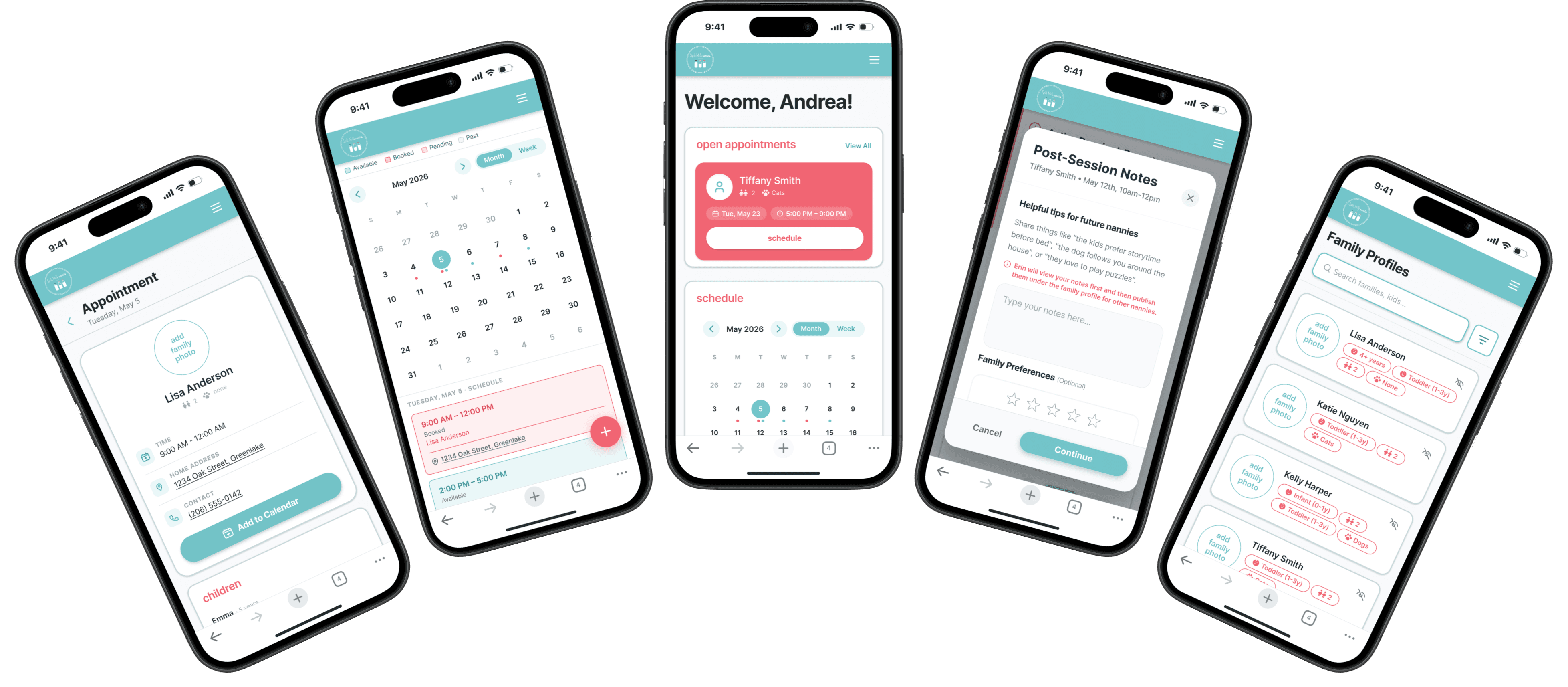
We brought key information and actions into one place, helping nannies move more seamlessly between managing availability, finding shifts, and taking on work.
Making Time Easier to Manage
We simplified the availability management process by reducing unnecessary steps and making schedule updates more intuitive, allowing nannies to easily adjust their availability and stay open to new shift opportunities with less effort.
A Clearer View of What’s Ahead
We transformed the mobile schedule into an easy-to-scan experience, helping nannies see their commitments and identify opportunities at a glance.
Closing the Loop After Every Shift
We introduced a post-session flow to reduce friction in documenting session notes and sharing feedback, helping nannies complete essential tasks more seamlessly.
#problem
A two-sided service, one side had been overlooked.
Nannies had varying schedules and preferences for finding work, but the existing platform offered limited flexibility in how they managed availability and
discovered shifts.
#challenge
How might we simplify this experience and explore ways to encourage greater engagement, shift participation, and long-term retention?Howmightwesimplifythisexperienceandexplorewaystoencouragegreaterengagement,shiftparticipation,andlong-termretention?
#research
What’s holding them back?
The client approached us with a broad challenge: increasing nanny engagement, shift participation, and long-term retention. To understand the underlying
barriers, we interviewed 10 nannies about their everyday experiences, from managing availability to coordinating with families. Our research revealed four key
insights:
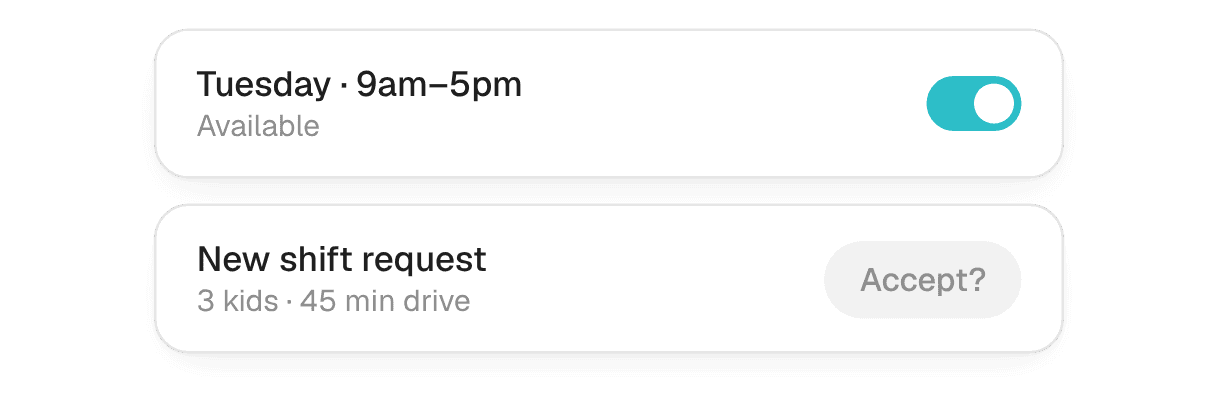
Availability ≠ Autonomy
Being free doesn’t mean every job fits their life.
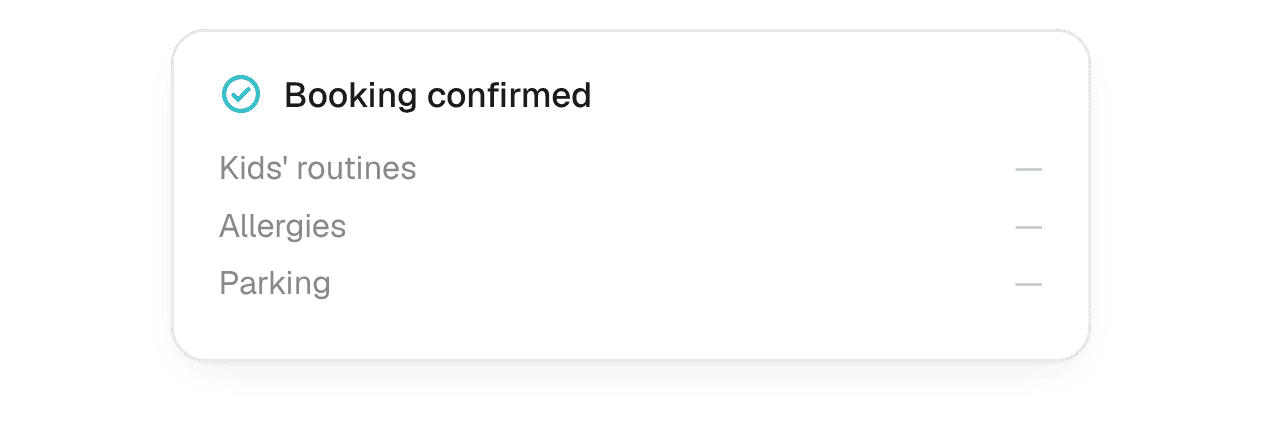
Confirmation ≠ Preparation
A confirmed shift still leaves nannies unsure what to expect.
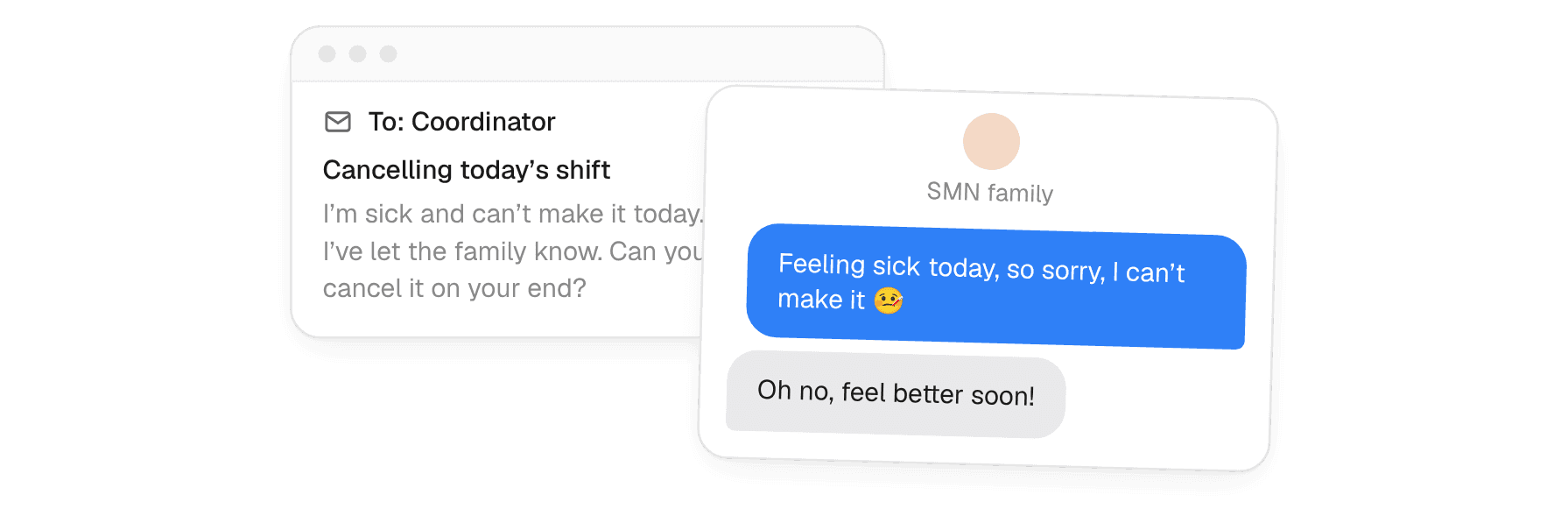
Digital Booking, Manual Coordination
A last-minute cancel means texting the family, then emailing the coordinator.
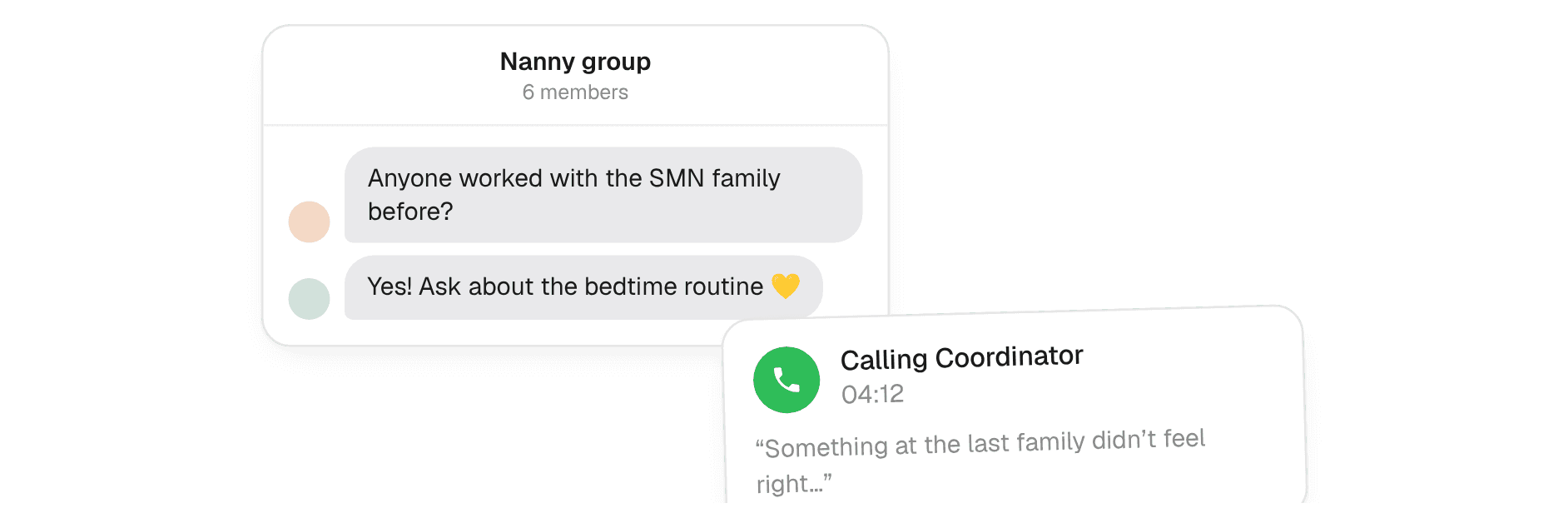
Trust Grows Through Shared Knowledge
Tips travel through group chats, and concerns through phone calls to coordinators.
#pivot
The biggest problem was hiding in the workflow.
Our research revealed a gap between getting booked and managing the work that followed. While the platform supported finding and accepting shifts, much of
the caregiving journey, from preparing for sessions to coordinating changes and following up, happened across disconnected channels. These small moments of
friction accumulated over time, adding effort to everyday participation and making it harder for nannies to stay engaged.
#my-role
What do nannies really need from this platform?
Our research uncovered diverse needs, from stronger peer connections to greater control over work opportunities. To move beyond individual feature requests, I
led the team to take a step back by asking: What are nannies fundamentally trying to accomplish through this platform?
I guided the team in prioritizing pain points based on their relevance to core workflows and project feasibility, then translated them into Jobs to Be Done that
aligned the team around essential user needs and informed our design direction.
[Placeholder: visual]
What nannies asked for
The underlying need
User goal
A nanny community
Somewhere to connect and swap stories with other nannies.
More control over bookings
To choose which families book them, and when.
Direct booking coordination
To arrange, change or cancel bookings with families directly, instead of going through a coordinator.
Shared knowledge about families
Jobs that fit my life
Greater control and flexibility
I want a sustainable way to share and learn context about a family that complements their profile.
I want to take on jobs that align with my preferences, needs, and personal circumstances.
I want to manage booking changes efficiently, with minimal back-and-forth.
#opportunity
How might we create a more connected and intuitive experience that supports nannies throughout their caregiving journey?Howmightwecreateamoreconnectedandintuitiveexperiencethatsupportsnanniesthroughouttheircaregivingjourney?
#results
What we delivered
Beyond redesigning key nanny workflows, we systematically audited the platform against usability best practices and established a consistent design foundation
with typography styles and reusable UI components, preparing the final designs for developer handoff through Figma Dev Mode.
N
Nanny, usability testing
I really love how this turned out! Everything feels so much more intuitive and easier to navigate. I really appreciate the post-session notes. It’s nice to finally have a place to share how a session went and leave helpful tips for other nannies.
SM
Spilt Milk Nannies stakeholder
This is so great! This part in the motivation section makes me reconsider a community group or board for nannies to share things.
Our work also encouraged the client to look beyond booking efficiency and rethink how the platform could better support and engage caregivers.
#reflection
Seeing the big picture and sweating the details.
01
Look beyond the interface
What began as a platform redesign became a study of how nannies, families and coordinators work together across the whole service. A service design lens taught me to design for the relationships and processes around a product, not just its screens.
02
Find focus in complexity
Research surfaced more opportunities than we could pursue. Leading prioritization taught me to separate interesting findings from essential needs, and to turn a broad challenge into focused directions.
03
Design within constraints
Nannies wanted more control over bookings, but changing the booking model was out of scope. I learned to balance their needs with the client’s goals and improve the experience within what we could realistically change.